
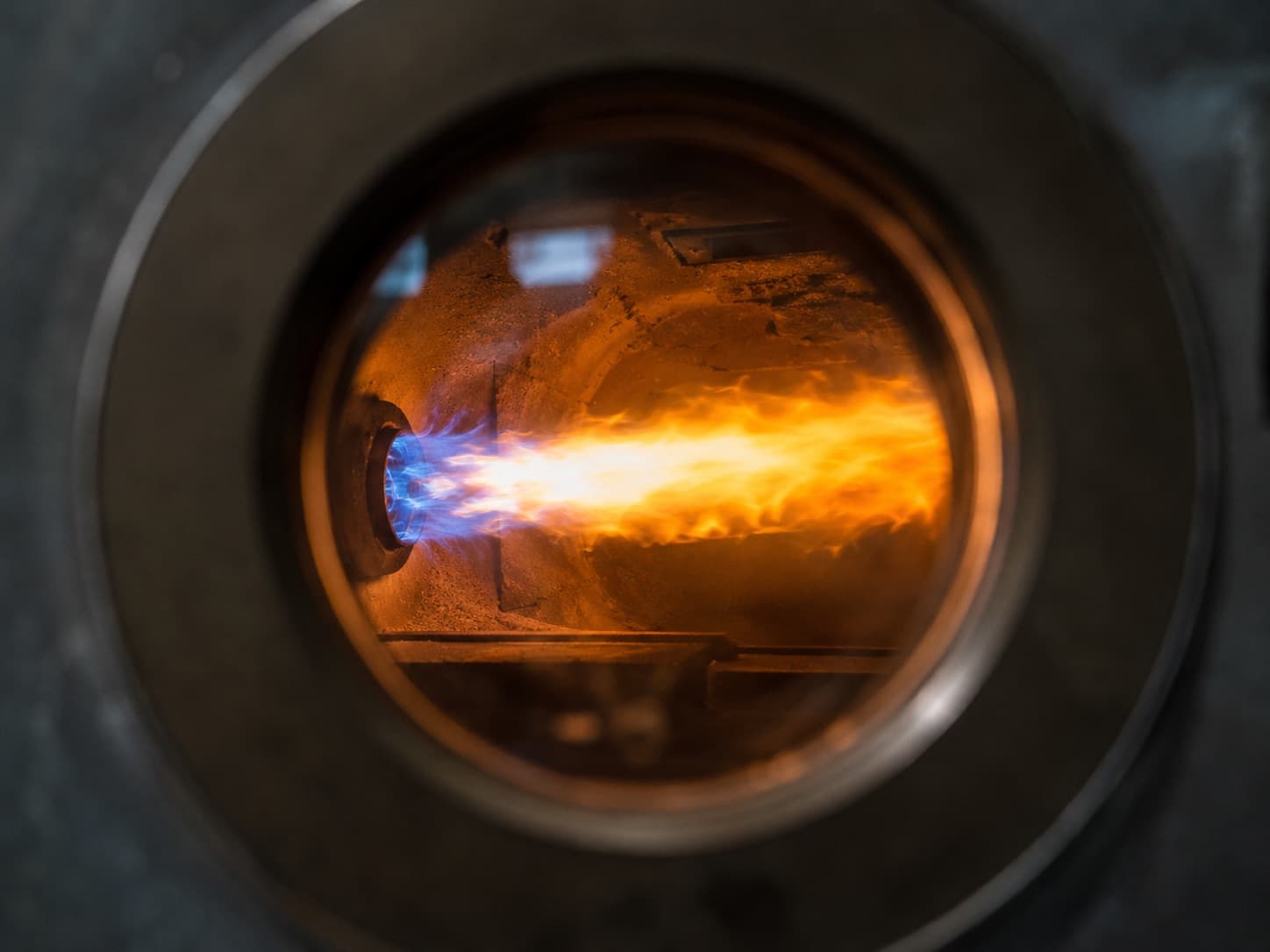
A pre-winter boiler room check should be completed at least 3–4 weeks before the first cold snap — in practice, within September. A burner that has sat idle for months over summer carries the highest risk of failing on its first firing of the season; the point of the check is to make that first firing happen at a planned visit, not on a cold winter night.
Why check before the heating season starts?
Three separate reasons:
- Idle-period risk over summer. A system that has not run for months can develop moisture and dust build-up, water or microbial contamination in an oil tank, and insect or pest nesting in the air intake grille. None of this is visible in summer — it sits quietly until the system is started again.
- It coincides with the statutory interval. As noted in our maintenance frequency guide, carrying out annual maintenance on residential and shared plant rooms before the season starts both meets the legal minimum obligation and is, practically, the right timing anyway.
- Demand pressure. Once most buildings switch on heating from mid-October, service requests spike suddenly. A check booked early can be carried out calmly, rather than queuing behind emergency "no heating" call-outs.
When should this be done?
Türkiye has no single official "heating season start date"; most building management switches heating on based on outdoor temperature, typically between mid-October and early November. Given that:
- completing the check within September leaves
- a margin of time before any fault surfaces in early October.
Booking early also takes advantage of service calendars that are not yet under seasonal pressure.
Pre-winter checklist
The list below builds on our standard periodic maintenance checklist, adding the items specific to a summer idle period.
1. Fuel line and tank check
- On oil burners: check for water build-up and microbial contamination in the tank (commonly known as "diesel bug"), and sediment ahead of the filter and nozzle
- On gas lines: tightness test at connection points, filter and regulator check
2. Intake grille and flue outlet check
Intake grilles and flue outlets left unused over summer are common sites for insect or pest nesting. A blocked intake grille causes an air pressure switch fault or incomplete combustion.
3. Electrode and ignition system
Ignition electrode gap and the condition of the ceramic insulator, ignition transformer output and ionisation signal — as covered in our fault code guide, this is the most common cause of both the 2× and 4× lockout codes.
4. Pressure switch and safety chain test
Air and gas pressure switch settings, flame-loss cut-off time, and a function test of the valve proving system where fitted.
5. First firing and flue gas measurement
The season's first firing should be carried out under controlled conditions; O₂, CO₂, CO and flue gas temperature are measured with a calibrated analyser and logged. See flue gas analysis and fuel savings for the full method.
6. Heat exchanger and flue cleaning
Dust accumulated over summer can form a thin layer on heat exchanger surfaces, reducing heat transfer — this shows up as a flue gas temperature that creeps up unnoticed.
7. Control system and thermostat calibration
Confirm the room thermostat, outdoor sensor and any staging/modulation parameters are correctly set for the new season.
8. Log and note for next season
Measurement results and observations (for example "electrode should be replaced next season") should be logged — this record supports early fault detection and planning the next service.
Safety notice: this checklist is provided for information. All work on the gas train, electrical panel and safety chain must be carried out by trained and authorised technical personnel only.
The advantage of planning early
Booking the pre-season check as part of a maintenance contract delivers two concrete benefits on multi-block estates and hotels in particular: the visit date is locked in before seasonal demand builds, and sites under contract are typically given priority if a fault does occur.
Frequently Asked Questions
Should a burner be checked before the heating is switched on?
Yes. A burner idle for months over summer can develop moisture and dust build-up and, on oil systems, water or microbial contamination in the fuel. The season's first firing should be carried out at a controlled maintenance visit.
When should a pre-winter check be carried out?
Since heating typically starts between mid-October and early November, completing the check within September leaves a margin before any fault appears and makes it easier to get an appointment before the busy period begins.
What faults are most common on a burner left idle over summer?
Insect or pest nesting in the intake grille and flue outlet, water build-up and microbial contamination in oil tanks, and dust accumulation on heat exchanger surfaces are the most frequent issues.
Is a pre-winter check the same as the annual service?
In most cases, yes — annual maintenance carried out before the season both meets the statutory obligation and serves as the pre-winter check. A separate visit is only needed where the annual service falls in a different month. ---
About Beray Enerji
Beray Enerji is an Istanbul-based burner service company operating across Türkiye, with primary coverage in the Marmara, Thrace and Aegean regions. We provide pre-season checks, scheduled maintenance, flue gas analysis and fault response for gas, oil and dual-fuel burners of all makes and models, backed by a technical team with 30 years of field experience. To book a pre-season appointment, contact us on +90 (000) 000 00 00 or at info@berayenerji.com.
Related services: Burner maintenance · Burner repair service · Contact
References
- Regulation on Control of Air Pollution from Heating (Türkiye), Article 17
- EN 676 — Automatic forced draught burners for gaseous fuels
- EN 267 — Automatic forced draught burners for liquid fuels