
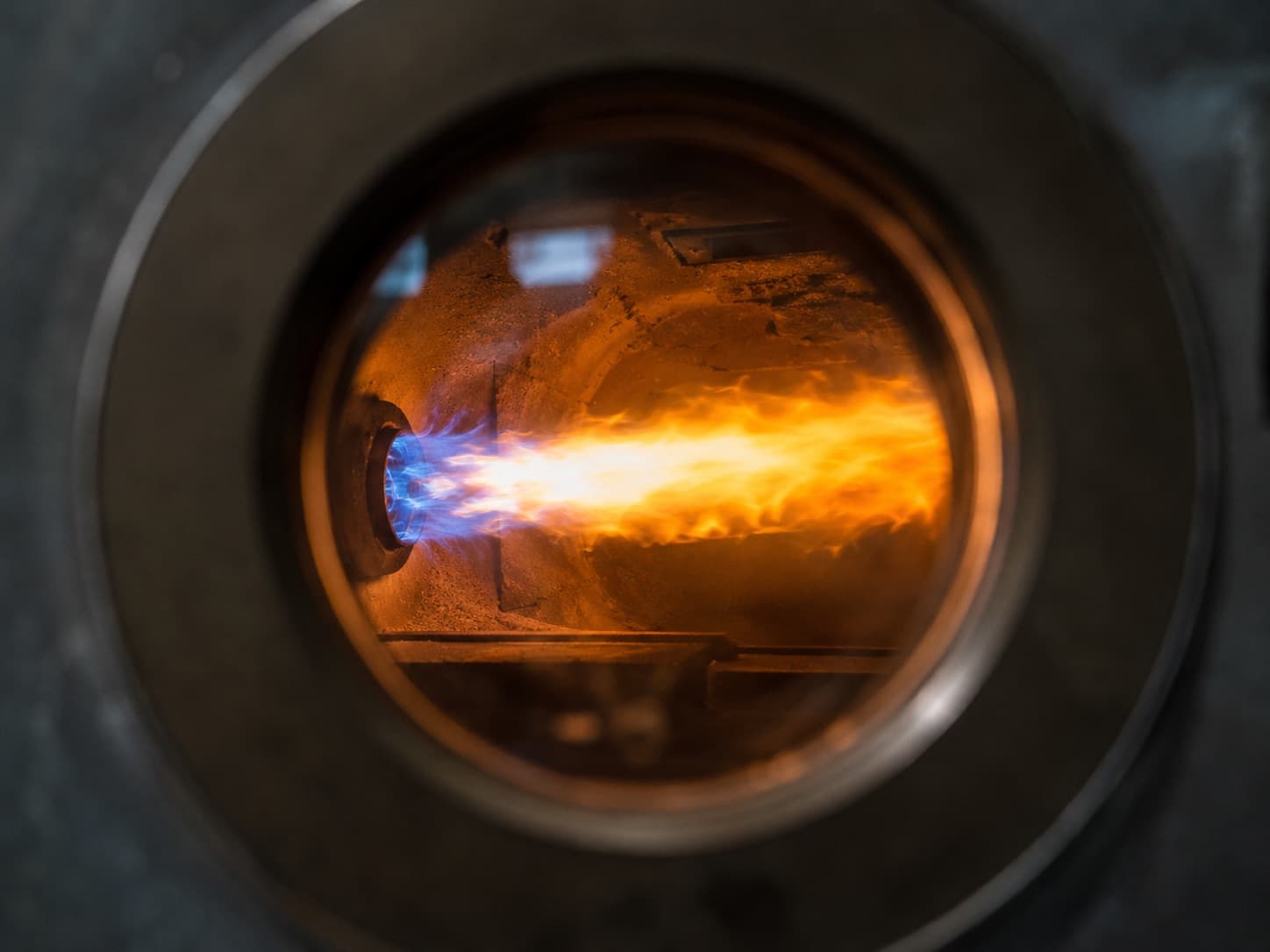
Burner maintenance in hotels and hospitals cannot be approached the same way as a residential plant room — because tolerance for a heating or hot water interruption at these sites is close to zero. Guest comfort or patient safety depends directly on the burner running without interruption, and on top of that, a drop in hot water temperature can create conditions for Legionella growth, a separate and serious health risk.
Why these sites need a different approach
In a home, a burner fault becomes that household's problem and is usually resolved within a few hours. In a hotel or hospital, the same fault cuts hot water and heating to dozens of rooms or patient areas simultaneously — carrying both operational and reputational risk, particularly where booking cancellations or patient safety are involved.
Hot water temperature and Legionella risk
Burner reliability is not just a comfort issue. Hot water storage temperature dropping below a certain threshold creates conditions where Legionella bacteria can grow — which is why international health authorities (for example the UK's HSE) publish guidance for hot water systems recommending that hot water is generally stored at around 60°C and reaches outlets at an adequate temperature. A burner unable to hold that temperature reliably — due to a fault, inadequate maintenance, or insufficient capacity — directly raises this risk.
For this reason, burner maintenance in hotels and hospitals should be treated not just as a comfort line item, but as part of the water safety plan.
Redundancy: a single burner, or N+1?
Relying on a single burner at a critical site means a fault causes a total outage. Common approaches include:
- N+1 redundancy: keeping one spare burner/boiler beyond the capacity actually needed, so that if one fails, the other takes over.
- Cascade boiler systems: several smaller-capacity boilers/burners running in parallel, so that losing one still preserves part of the total capacity.
Where a new site is being planned, or an existing system reviewed, the cost of redundancy should be weighed against the operational and reputational cost of an outage at a site with near-zero tolerance for downtime.
Maintenance frequency and timing
As noted in our maintenance frequency guide, the legal minimum is once a year, but industry practice for hotels and hospitals recommends servicing every 3–4 months (every 3 months for hospitals). Timing matters too:
- Scheduled maintenance should be booked during periods of lower occupancy
- In hospitals, maintenance must be coordinated so it does not affect patient care areas
- The pre-season check should be completed before the busy booking period — see our pre-winter checklist
What to look for in a maintenance contract for this segment
When evaluating a maintenance contract for a hotel or hospital, in addition to our general comparison, these points matter particularly:
- A guaranteed response time — not "as soon as possible", but a specific committed number of hours
- 24/7 coverage — the same priority applying to faults occurring at night or on holidays
- Spare parts held in stock — frequently replaced items such as electrodes, filters and ionisation probes kept ready
- Reporting — every visit documented with a written report usable in internal audits or quality processes
Documentation and being audit-ready
Hospitals and large hotels go through various internal and external inspection processes. Consistently kept maintenance and flue gas measurement records are the most direct way both to demonstrate the statutory obligation has been met, and to show internal water/heating safety procedures are actually functioning.
Frequently Asked Questions
How often should burner maintenance be carried out at a hotel or hospital?
The legal minimum is once a year, but for sites that must run 24/7, industry practice recommends servicing every 3–4 months (every 3 months for hospitals).
Why is a burner fault linked to Legionella risk?
A drop in hot water storage temperature creates conditions in which Legionella bacteria can grow. The burner reliably holding the target temperature is part of keeping that risk under control.
Is a spare burner necessary at a hotel or hospital?
It is not mandatory, but it is common practice at sites with low tolerance for downtime. The decision should weigh the operational and reputational cost of an outage against the cost of redundancy.
Which maintenance contract terms should be prioritised for these sites?
A guaranteed response time, 24/7 coverage, stocked spares for frequently replaced parts, and a written report from every visit should be priorities. ---
About Beray Enerji
Beray Enerji is an Istanbul-based burner service company operating across Türkiye, with primary coverage in the Marmara, Thrace and Aegean regions. For hotels and hospitals we provide maintenance contracts with priority response, 24/7 coverage, regular flue gas measurement and written reporting, backed by a technical team with 30 years of field experience. For a proposal specific to your site, contact us on +90 (000) 000 00 00 or at info@berayenerji.com.
Related services: Burner maintenance · Burner repair service · Contact
References
- Regulation on Control of Air Pollution from Heating (Türkiye), Article 17
- EN 676 — Automatic forced draught burners for gaseous fuels
- International water safety guidance on Legionella control in hot water systems (e.g. the UK HSE's ACOP L8 framework, cited as a general reference)