
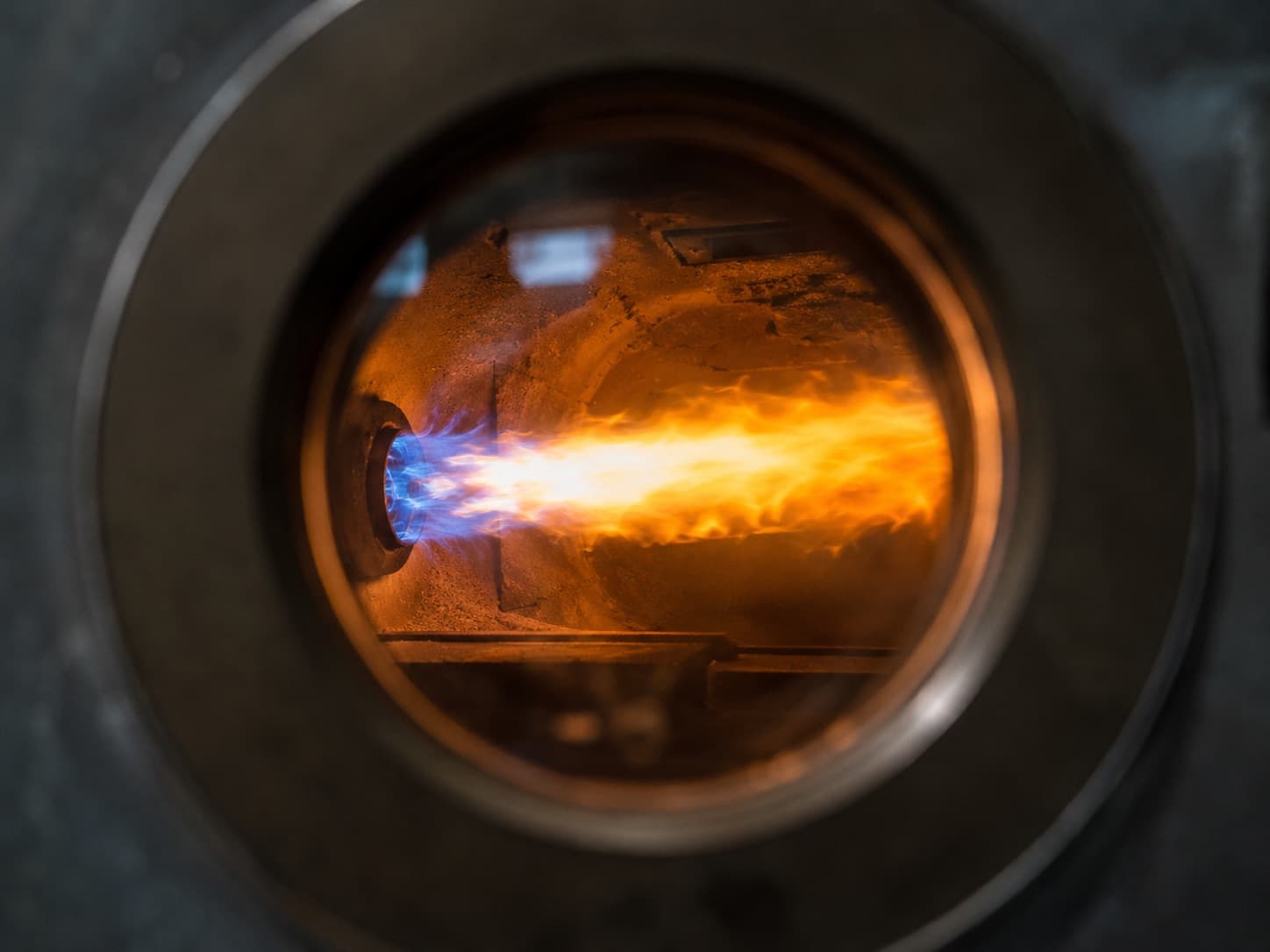
A well-maintained burner can typically run for 15–20 years or more, depending on the manufacturer and how intensively it's used. But age alone doesn't answer the real question: whether repair or replacement is the better call for a given site. That decision comes down to four factors — fault frequency, spare parts availability, efficiency loss, and regulatory compliance.
How long does a burner typically last?
A precise figure would be misleading, because lifespan depends on duty intensity (a hotel burner running 24/7 ages differently from a seasonal residential burner), fuel type (oil burners generally wear faster), and whether scheduled maintenance has been kept up. As a general reference, it's a common industry expectation that a consistently maintained burner runs for 15–20 years or more; a neglected one can start causing problems well before that.
Decision criteria
1. Fault frequency and cost
Faults recurring at short intervals mean a separate repair cost each time. A rule of thumb widely used in the industry is: when the cost of a single repair approaches a significant fraction of a new burner's cost (a commonly used threshold is roughly half), replacement usually becomes the more sensible option. This is not a precise formula, but a reference point that guides the decision.
2. Spare parts availability
On older or discontinued models, lead time for components such as electrodes, the control box or nozzles can stretch out. If parts take weeks to source, it's worth assessing whether the site can tolerate that length of downtime.
3. Efficiency loss
Older burner technology can run at meaningfully lower efficiency than today's modulating, low-NOx models. The efficiency loss measured using the method in our flue gas analysis guide can, over several years, add up to enough to offset the cost of a new burner.
4. Regulatory compliance
New emission limits or a change in site use (for example, increased capacity requirements) can mean the existing burner is no longer compliant. Repair does not solve this — compliance can only be achieved through replacement.
When replacement should definitely be considered
| Situation | Why replacement is needed |
|---|---|
| Parts are no longer manufactured or cannot be sourced within a reasonable time | The site risks extended downtime at the next fault |
| The safety chain cannot be made reliably functional through repair | Safety comes before cost |
| Recurring CO or combustion safety issues | A lasting fix usually requires a fundamental overhaul |
| The boiler has also reached the end of its economic life | Assessing burner and boiler together is often more efficient |
| Capacity requirements have increased significantly | The existing burner can no longer meet the new demand |
Frequently Asked Questions
How many years can a burner be used for?
A precise figure is hard to give — it depends on duty intensity, fuel type and maintenance consistency. A common industry expectation is 15–20 years or more for a consistently maintained burner.
Is repair or replacement more economical?
It depends on fault frequency and the ratio of repair cost to replacement cost. A common industry approach is to consider replacement once a single repair's cost approaches a significant fraction of a new burner's price.
Does a still-working old burner need replacing?
Still working is not, by itself, sufficient. Efficiency loss, lengthening spare parts lead times, or changing regulatory/capacity requirements can make a functioning burner a replacement candidate.
Should the boiler be replaced along with the burner?
Not always, but if the boiler has also reached the end of its economic life or is incompatible with the new burner, assessing both together is usually the more sensible approach. ---
About Beray Enerji
Beray Enerji is an Istanbul-based burner service company operating across Türkiye, with primary coverage in the Marmara, Thrace and Aegean regions. We provide repair-vs-replace assessments, efficiency analysis and burner sales across all makes and models, backed by a technical team with 30 years of field experience. To have your burner assessed, contact us on +90 (000) 000 00 00 or at info@berayenerji.com.
Related services: Burner repair service · Burner maintenance · Contact
References
- EN 676 — Automatic forced draught burners for gaseous fuels
- EN 267 — Automatic forced draught burners for liquid fuels