
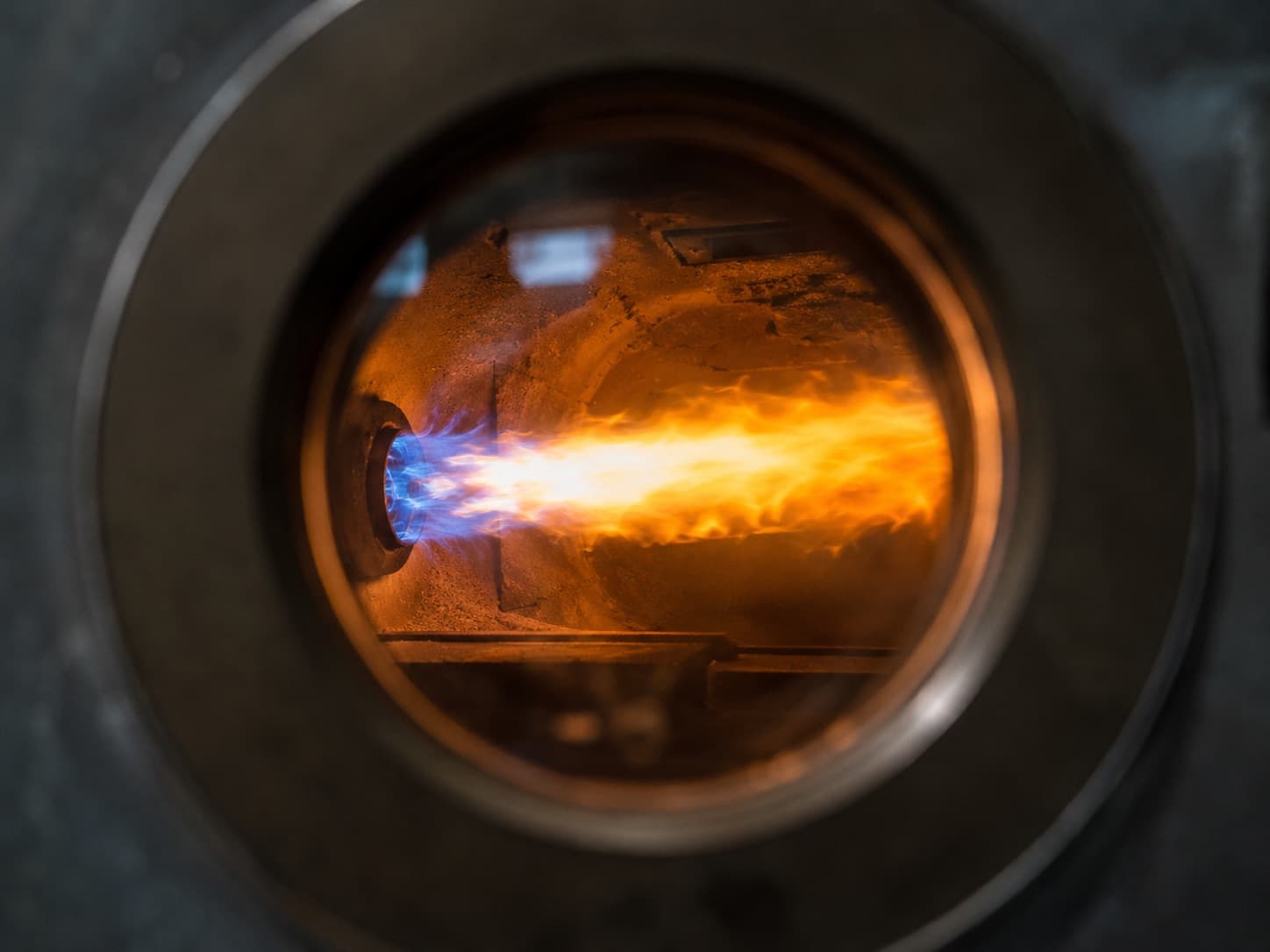
LPG burners share the same basic operating principle as natural gas burners, but being heavier than air, plus how LPG is stored and its different combustion characteristics, mean maintenance needs extra attention. The most critical difference is on the safety side: natural gas rises and disperses on a leak, while LPG settles and accumulates — which changes both gas detection and leak response strategy.
The fundamental difference between LPG and natural gas: density
LPG (a propane/butane mix) is noticeably heavier than air. On a leak, it does not rise and disperse like natural gas — it settles and accumulates at floor level and in low points. This directly affects where the site's gas detector should be positioned: on natural gas sites the detector sits close to the ceiling, while on LPG sites it should be positioned close to floor level.
Storage and vapourisation: an LPG-specific consideration
LPG is stored as a pressurised liquid in the tank and delivered to the point of use as vapour. The rate of vapourisation depends on ambient temperature — it slows at low temperatures. On high-consumption sites (particularly in winter), there's a risk of tank pressure dropping and the burner receiving gas at insufficient pressure. On larger-capacity sites, a vapouriser can be used to prevent this risk; where fitted, its presence and condition should be included in the maintenance scope.
Differences on the burner side
- Nozzle/orifice: LPG and natural gas have different combustion characteristics; the burner's gas head and nozzle must be sized by the manufacturer for the specific fuel in use. Checking these components is essential when converting from one fuel to the other.
- Regulator: a dedicated LPG pressure regulator is used; it is not interchangeable with a natural gas regulator.
- Combustion setting targets: as covered in our flue gas analysis guide, LPG's theoretical maximum CO₂ differs from natural gas's (around 13.7% for LPG versus around 11.7–11.8% for natural gas). A measurement taken with the wrong fuel type selected on the analyser gives a misleading result.
Safety: LPG behaves differently on a leak
- If a gas smell is noticed, unlike natural gas this is a gas that settles rather than rises; when leaving the area, stay clear of low points (basements, sunken areas).
- Do not touch electrical equipment, and avoid anything that could generate a spark.
- Safety clearances around the tank and valve from ignition sources must be observed — these clearances are defined in the applicable LPG installation standards and regulations.
LPG-specific additions to the maintenance checklist
In addition to our standard maintenance checklist, LPG sites should also have the following checked:
- Tank pressure and level
- Signs of regulator freezing (icing on the regulator can appear during periods of unusually low pressure — a sign of insufficient vapourisation capacity)
- Vapouriser condition, where fitted
- That safety clearances around the tank and valve are being maintained
Frequently Asked Questions
Is an LPG burner the same as a natural gas burner?
The operating principle is the same, but the nozzle/orifice sizing and regulator are fuel-specific. A burner set up for natural gas cannot run on LPG without the appropriate component changes.
Why does an LPG leak need to be handled differently?
Because LPG is heavier than air, it settles and accumulates at floor level and in low points on a leak, rather than rising and dispersing like natural gas. This is why you should stay clear of low points when leaving the area, and why gas detectors should be positioned near floor level.
Why does an LPG regulator freeze?
At low outdoor temperatures and high consumption, LPG's rate of vapourisation from liquid to vapour can become insufficient, which can cause icing on the regulator — a sign of gas being supplied at insufficient pressure.
Does flue gas analysis use a different target for LPG?
Yes. LPG's theoretical maximum CO₂ (~13.7%) differs from natural gas's (~11.7–11.8%). Selecting the correct fuel type on the analyser is essential for a correct reading. ---
About Beray Enerji
Beray Enerji is an Istanbul-based burner service company operating across Türkiye, with primary coverage in the Marmara, Thrace and Aegean regions. We provide LPG-specific maintenance, combustion setting, flue gas analysis and fault response across all fuel types, backed by a technical team with 30 years of field experience. For your LPG site, contact us on +90 (000) 000 00 00 or at info@berayenerji.com.
Related services: Burner maintenance · Burner repair service · Contact
References
- EN 676 — Automatic forced draught burners for gaseous fuels
- LPG installation standards and applicable regulations